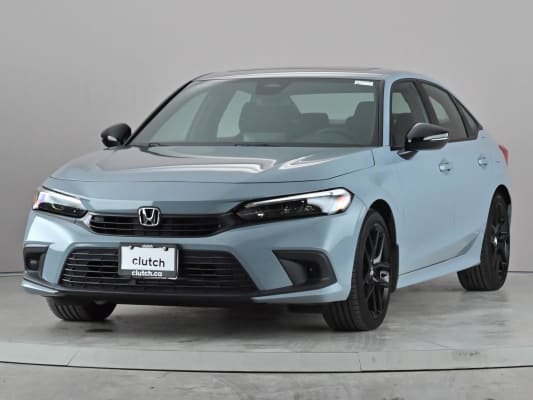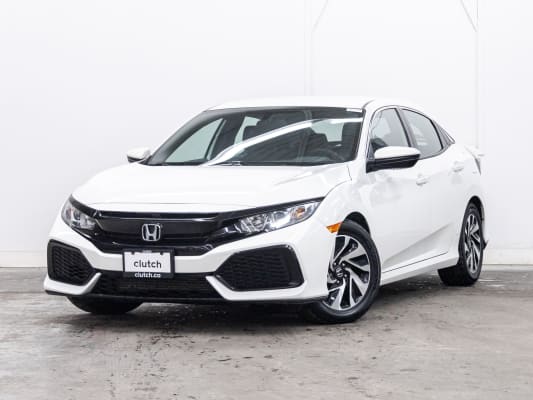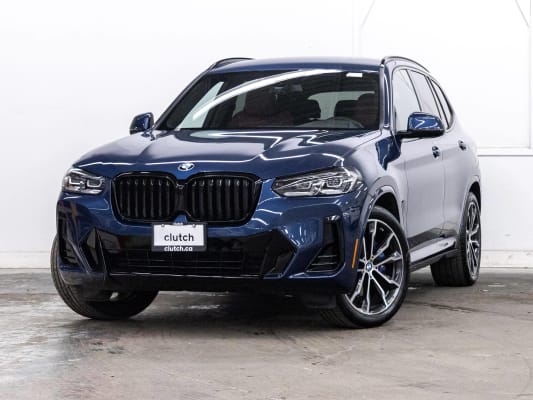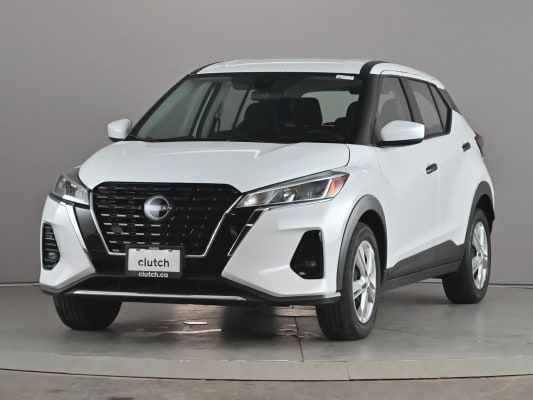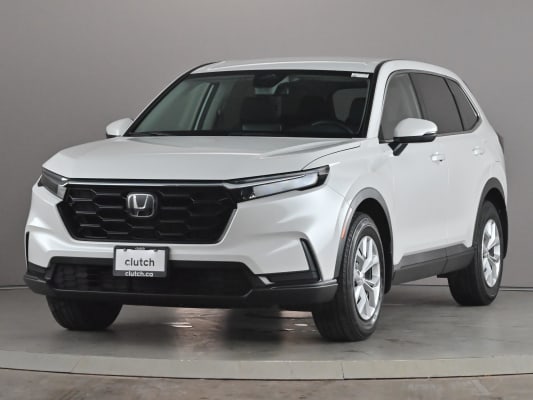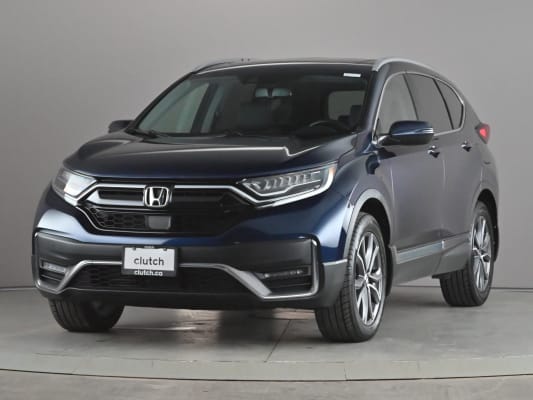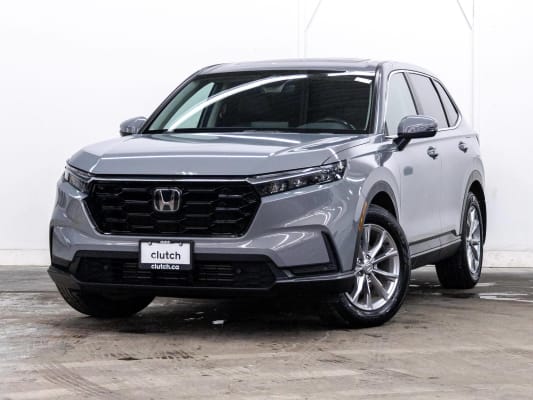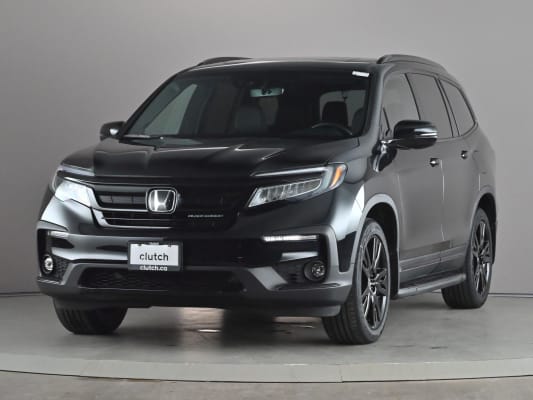
Honda is one of Canada's most reliable used-car brands. Hondas fail in predictable wear patterns rather than brand-specific engineering issues. Chronic engine, transmission, electrical, or cooling failures are rare. When a Honda fails to clear Clutch's 210-point inspection, the most common reason is structural damage from a previous collision, not a mechanical issue. Hondas are popular enough on Canadian roads that more arrive on the used-car market with accident histories than rarer brands. That reflects volume, not a brand-specific reliability issue. Honda scores 9.55 out of 10 on the 2026 Clutch Certified Reliability Index, fifth across all 25 brands we measured, in the top tier alongside Lexus, Subaru, Acura, and Toyota.
Key Takeaways
- Honda scores 9.55/10 on the Clutch Certified Reliability Index, in the top tier (9.0+).
- Honda's 90-day warranty repair rate runs roughly 12% below the 25-brand average.
- Honda holds up unusually well at high mileage. Its inspection failure rate stays close to flat from 0-150,000 km.
- Honda's most common reason for failing inspection is structural damage from prior accidents, not mechanical issues. This reflects Honda's popularity (more cars on the road) rather than a brand-specific weakness.
- Top reliable Honda models include the Civic, Accord, CR-V, and Odyssey.
- A Clutch Certified Honda (one that has cleared the 210-point inspection and been reconditioned) scores 9.76 on the same index, a +0.21 lift from the raw score.
What fails on a used Honda when it fails?
Hondas don't fail in patterns that follow the engineering. They fail in patterns that follow popularity. Because Hondas are among the highest-volume brands sold in Canada, more of them come into Clutch with prior accident histories than rarer brands. Structural damage from past collisions shows up as Honda's most common reason for failing inspection, ahead of mechanical issues.
When mechanical issues do appear, they're usually in line with what mileage and age would suggest: brake pad and rotor wear, suspension bushings on older vehicles, the occasional A/C or HVAC issue on cars past 8 years old. None of these are brand-specific weaknesses. They're predictable wear-and-tear items.
What you generally don't see on Hondas: chronic engine failures, transmission breakdowns, expensive electrical or cooling-system issues. The powertrain-related failure rates that drag down brands like BMW, Audi, or Mercedes-Benz don't show up at the same scale on Honda.
How does Honda rank on the Clutch Certified Reliability Index?
Honda ranks 5th of 25 brands at 9.55 out of 10, putting it in the top tier with Lexus, Subaru, Acura, and Toyota. Top-tier brands share the same pattern: no weak pillar. Honda arrives at Clutch in cleaner condition than most brands, needs less reconditioning before sale, and generates fewer post-sale issues.
On the warranty side, Honda buyers need a covered repair in the first 90 days at roughly 12% below the 25-brand average. That puts Honda at less than half the rate of brands like BMW or Mercedes-Benz, and right alongside its closest peers (Toyota, Subaru, Mazda).
Where Honda stands out from the rest of the top tier is mileage durability. More on that below.
Are higher-mileage Hondas still reliable?
Yes. Honda's reliability holds up unusually well as kilometres accumulate. A Honda at 120,000-150,000 km fails our 210-point inspection at only 15.1%. That's barely higher than Honda at 0-40K (around 4.3%) and substantially lower than what most non-Japanese brands show at the same mileage band.
For comparison, Hyundai over the same 120,000-150,000 km range fails at 43.7%. Chevrolet reaches 40.8%. Honda's curve stays close to flat where other brands' curves climb sharply.
The practical takeaway: a Honda at 120,000 km is more reliable than a Chevrolet at 60,000 km on average inspection failure rate. Brand matters more than mileage when you're choosing a used vehicle, and Honda is one of the brands where that holds up most clearly.
What's the most reliable Honda model?
The Civic, Accord, CR-V, and Odyssey all rank as top-tier reliable models. Each has its own strengths within the Honda lineup:
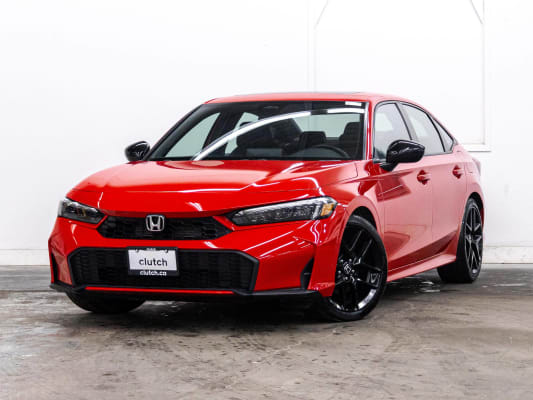
- Honda Civic. The benchmark compact sedan for reliability. Strong scores across inspection, reconditioning, and warranty.
- Honda Accord. The midsize equivalent. Tracks similarly to Civic on long-term durability.
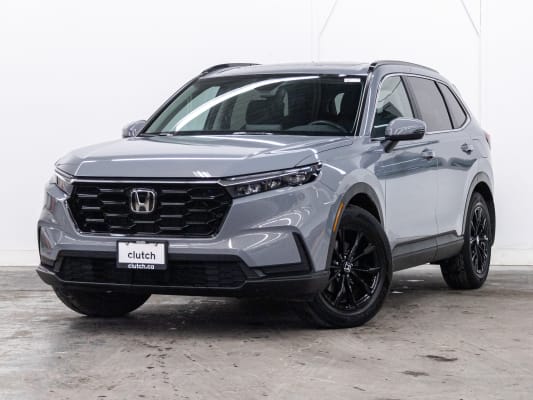
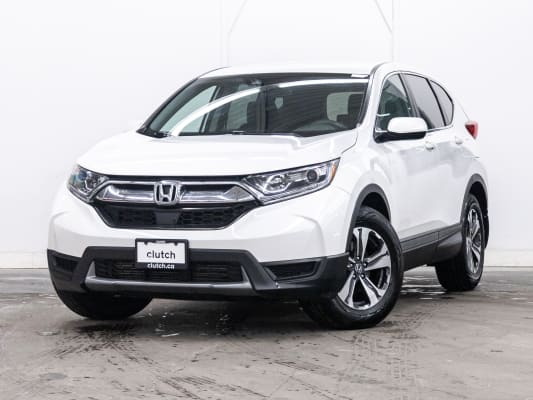
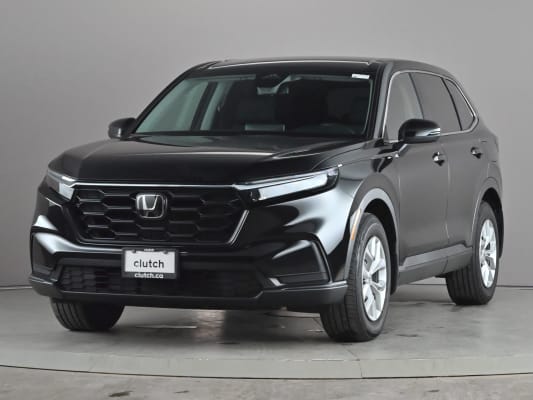
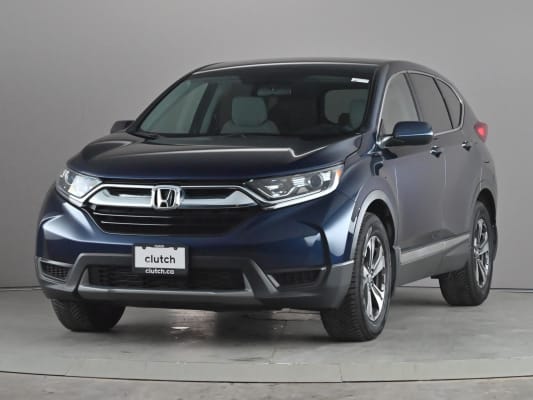
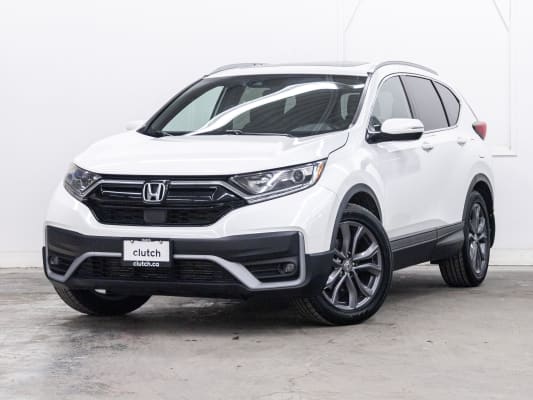
- Honda CR-V. Honda's compact SUV, especially strong on mileage durability.
- Honda Odyssey. The minivan that doesn't punish owners for the practicality.
For more reliability insights, see the 2026 Clutch Certified Reliability Report.
How does Clutch Certified change a Honda's reliability score?
A Clutch Certified Honda scores 9.76 out of 10 on the same Reliability Index. The raw Honda score of 9.55 reflects every Honda in our 2026 dataset. The Honda you'd actually buy at Clutch has already cleared the 210-point inspection and been reconditioned to address anything flagged. Run through the same index methodology, a Clutch Certified Honda scores 9.76, a +0.21 lift from the raw number.
The lift is small because Hondas already arrive at Clutch in clean condition. The 210-point inspection and reconditioning largely confirm what's already strong rather than fixing major issues. For top-tier brands like Honda, Clutch Certified is more about peace of mind than a necessary safety net.
How does buying a used Honda from Clutch compare to other options?
Every Honda on clutch.ca has cleared our 210-point inspection, been reconditioned, and is backed by a 10-day return policy. That's the same standard applied to every brand we sell, not a Honda-specific certification. Compared to a private-sale Honda or a non-CPO dealer Honda, a Clutch Certified Honda includes the inspection report, full reconditioning, return window, and warranty in the listed price.
Manufacturer Honda CPO is also an option, mainly for vehicles under six years and 120,000 km. CPO adds an extended Honda warranty for buyers who want longer manufacturer-backed coverage. For older Hondas (which still hold up well, see above), the Clutch Certified standard tends to be the better fit because there's no age cap.
For a deeper Honda CPO vs Clutch Certified comparison, see Clutch Certified vs CPO: What's the difference?.
Browse used Hondas at Clutch
Every used Honda on clutch.ca is Clutch Certified, with a 210-point inspection, reconditioning, and a 10-day return policy.
FAQs About Honda Reliability
Are Hondas reliable used cars?

Yes. Honda scores 9.55/10 on the 2026 Clutch Certified Reliability Index, placing it 5th of 25 brands and in the top reliability tier. Honda's reliability is consistent across inspection outcomes, reconditioning costs, warranty repairs, and customer returns.
What's the most reliable Honda model?
The Civic, Accord, CR-V, and Odyssey all rank as top-tier reliable models within the Honda lineup. The Civic and Accord lead on long-term durability; the CR-V is especially strong on high-mileage performance.
How many kilometres can a Honda last?
Hondas hold up unusually well as kilometres accumulate. Clutch's data shows Hondas at 120,000-150,000 km still pass our 210-point inspection at a rate close to Hondas at low mileage. With routine maintenance, Hondas commonly last 250,000-300,000 km.
Is a used Honda Civic reliable?
Yes. The Civic is one of the most reliable compact sedans on the Canadian used market, supported by Honda's overall top-tier ranking. It's also one of the highest-volume Honda models we handle, which means consistent inspection and reconditioning experience.
Are Hondas more reliable than Toyotas?
Both are top-tier reliable. Honda scores 9.55 on the index; Toyota scores 9.57. The difference is essentially noise. Both deliver consistent reliability, low warranty repair rates, and strong long-term performance. Toyota has slightly more model depth at the top; Honda has slightly stronger high-mileage durability.
What goes wrong with high-mileage Hondas?
Mostly the things you'd expect from any high-mileage vehicle: brake wear, suspension bushings, A/C or HVAC issues on older cars. Honda doesn't typically show the chronic engine, transmission, or electrical failures that drag down less reliable brands.
.avif)