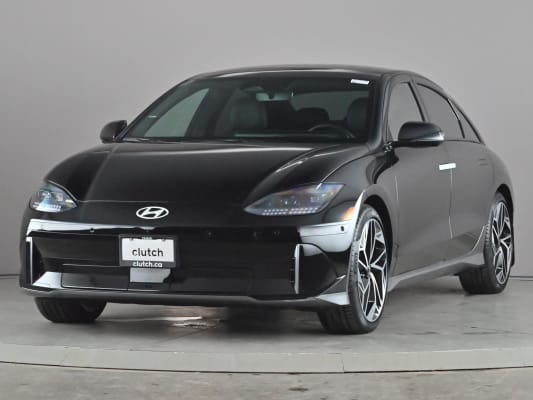
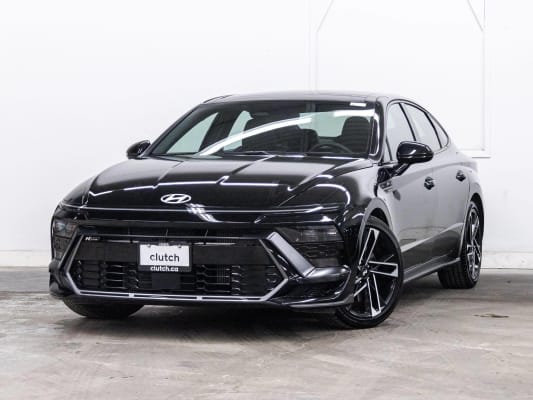
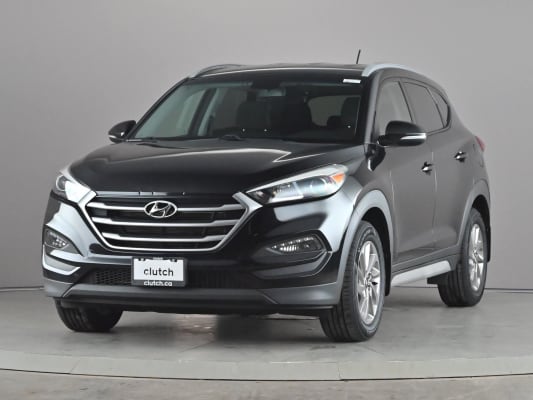
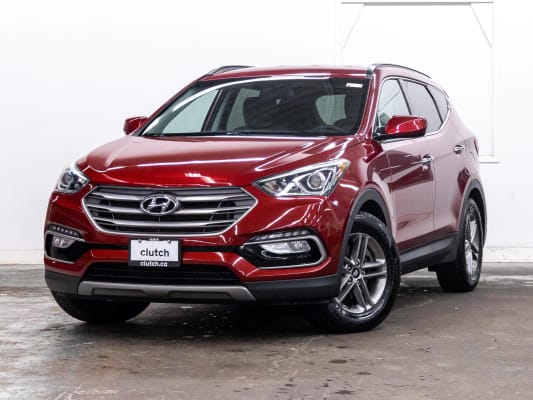
The Hyundai reliability story splits cleanly by era. The 2011-2019 Theta II 2.0L and 2.4L engines (used in the Sonata, Santa Fe, Tucson, and several other models) had documented rod-bearing failures that triggered a major recall. Outside that engine era, Hyundai failures track standard mileage and age patterns: brake wear, suspension components, A/C and HVAC issues past 8 years, the occasional electronic accessory failure. The 2020+ Hyundai lineup uses different engine architecture (Smartstream 2.5L, 1.6L turbo, Atkinson hybrids) and doesn't share the Theta II's failure mode. Hyundai scores 8.55 out of 10 on the 2026 Clutch Certified Reliability Index, tenth of 25 brands and ahead of every European brand at any price point.
Key Takeaways
- Hyundai scores 8.55/10 on the Clutch Certified Reliability Index, in the above-average tier.
- Hyundai's 90-day warranty repair rate runs roughly 9% below the 25-brand average.
- The "Hyundai engine" reputation traces specifically to the Theta II 2.0L and 2.4L engines used 2011-2019. Today's lineup uses different architecture and doesn't share that failure mode.
- The Hyundai mileage curve is steeper than the Japanese top tier; older Hyundais show inspection issues that climb past 100,000 km.
- Top reliable Hyundai models include the Venue, Kona, Palisade, and Elantra.
- A Clutch Certified Hyundai (one that has cleared the 210-point inspection and been reconditioned) scores 9.74 on the same index, a +1.19 lift from the raw score.
What fails on a used Hyundai when it fails?
Outside the Theta II engine era, Hyundai failures track standard mileage and age patterns. Brake wear, suspension components on older vehicles, A/C and HVAC issues past 8 years, the occasional electronic accessory failure. The pattern is similar to other above-average brands: predictable wear-and-tear rather than chronic engineering issues.
The mileage curve is steeper than the Japanese top tier. Hyundais at 120,000-150,000 km show higher inspection failure rates than Hondas or Toyotas at the same band, but the warranty repair rate at the brand level remains below average. The pattern suggests that the failures Hyundais show are more often "needs work" than "wholesale": items that get fixed in reconditioning before retail.
Are Hyundai engines reliable?
The most-asked Hyundai reliability question deserves a direct answer: it depends on the era. The 2011-2019 Theta II 2.0L and 2.4L engines (used in the Sonata, Santa Fe, Tucson, and several other models) had documented issues with rod-bearing failure that triggered a major recall. Hyundai extended the warranty on affected engines and addressed the production issue.
Today's lineup uses different engine architecture. The current 2.5L Smartstream (used in the Sonata and Santa Fe), the 1.6L turbo, and the various Atkinson-cycle hybrids don't share the Theta II's failure mode. In our 2026 data, Hyundai's overall warranty repair rate sits below the 25-brand average, better than half the brands we tested.
If you're looking at a Hyundai from the 2011-2019 model years, prefer 1.6L turbo or 2.0L turbo variants over the Theta II 2.4L. The 2020+ Hyundai lineup is a different reliability proposition than the era that built the brand's tougher reputation.
How does Hyundai rank on the Clutch Certified Reliability Index?
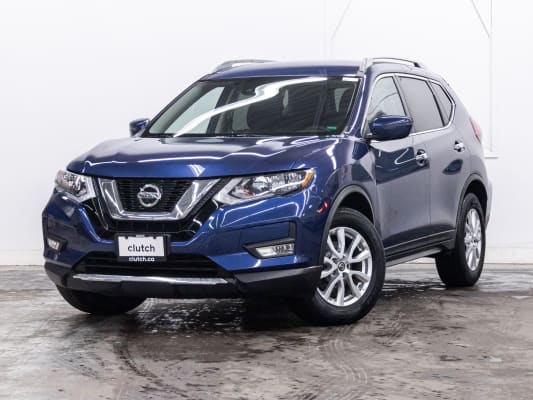
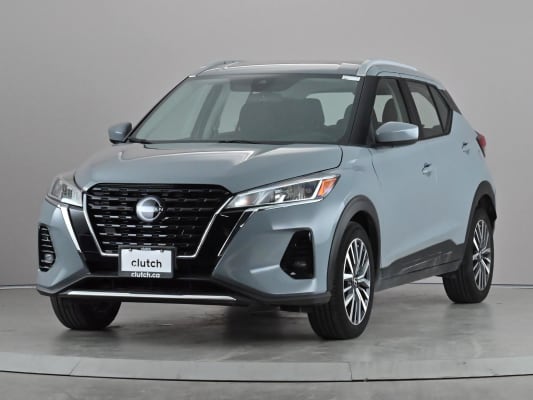
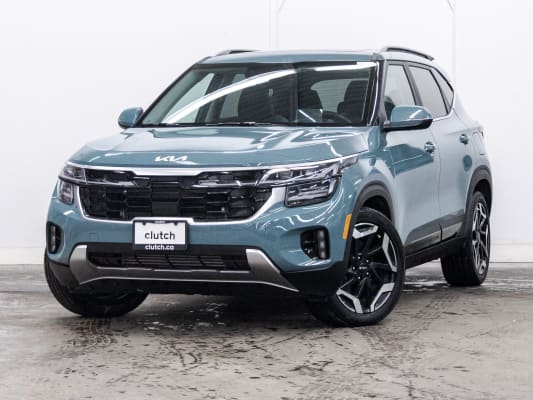
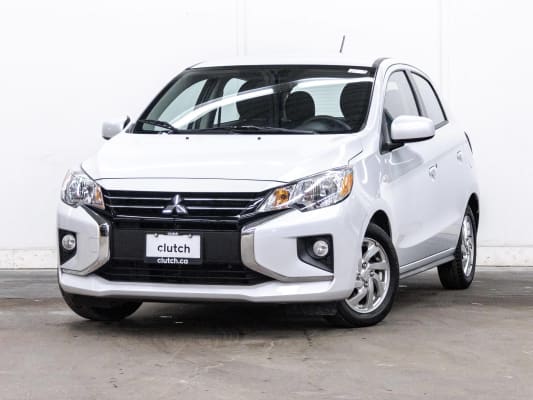
Hyundai ranks 10th of 25 brands at 8.55 out of 10, in the above-average tier alongside Nissan (8.71), Kia (8.56), and Mitsubishi (8.20). That's well above the 25-brand average. Hyundai outperforms every European brand at any price point in our index, including Volkswagen, Audi, Mercedes-Benz, and BMW.
The score reflects strong post-sale performance (warranty rate roughly 9% below the 25-brand average) tempered by a steeper mileage curve than the top tier. Hyundais that arrive at Clutch in good condition stay in good condition; older Hyundais show their age more visibly than older Hondas or Toyotas, which is why Clutch's pre-sale reconditioning matters more on this brand than on the top tier.
What's the most reliable Hyundai model?
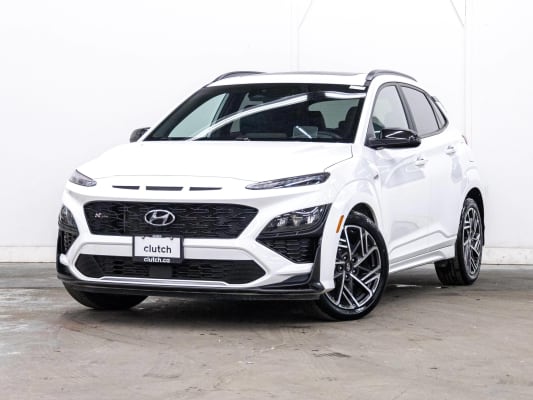
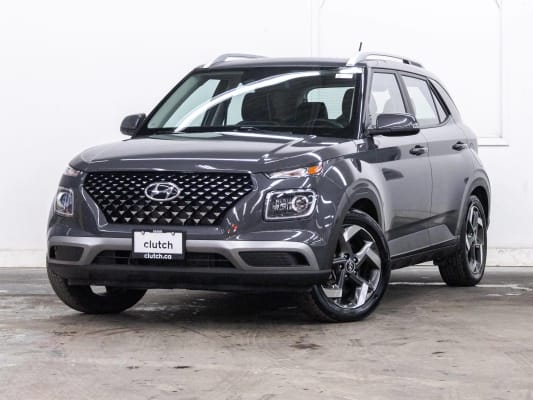
The Hyundai Venue and Kona lead the lineup on our index. Each ranks in the top quartile of all models we scored:
- Hyundai Venue (9.40). Hyundai's smallest crossover; the cleanest-scoring Hyundai model in our data.
- Hyundai Kona (9.25). Compact crossover; the strongest score in Hyundai's mainstream SUV lineup.
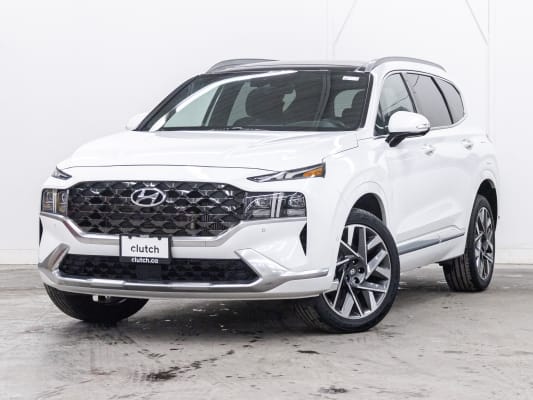
- Hyundai Palisade (8.20). Three-row family SUV; cleaner data than older Theta II era models.
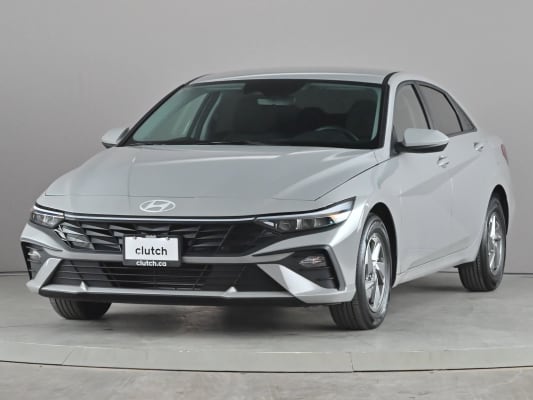
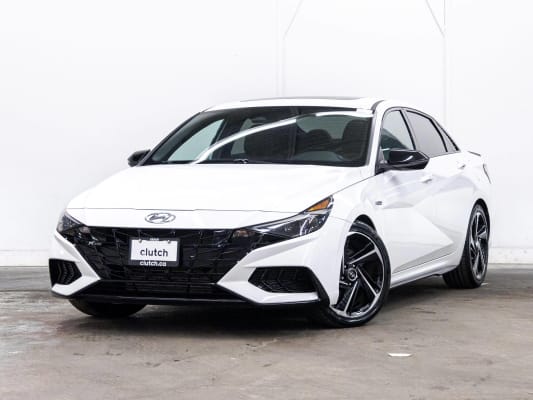
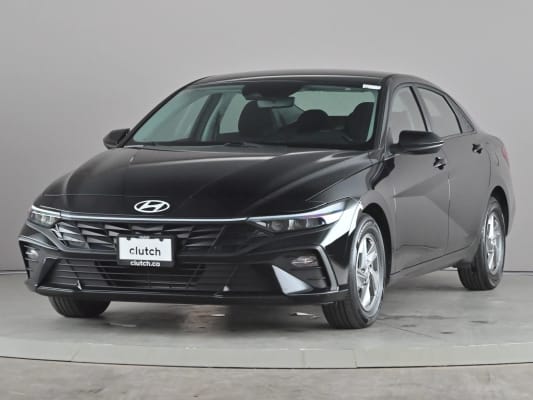
- Hyundai Elantra (8.17). Compact-sedan workhorse with strong volume on the used market.
For the full model-level rankings across Hyundai's lineup, see the 2026 Clutch Certified Reliability Report.
How does Clutch Certified change a Hyundai's reliability score?
A Clutch Certified Hyundai scores 9.74 out of 10 on the same Reliability Index. The raw Hyundai score of 8.55 reflects every Hyundai in our 2026 dataset. The Hyundai you'd actually buy at Clutch has already cleared the 210-point inspection and been reconditioned to address anything flagged. Run through the same index methodology, a Clutch Certified Hyundai scores 9.74, a +1.19 lift from the raw number.
The lift is meaningful because Hyundai has a steeper mileage curve than the Japanese top tier but reasonably clean post-sale signals (warranty repair rate, customer returns). The 210-point inspection catches and addresses the items most likely to surface as a Hyundai ages, including the engine condition checks that matter on Theta II era models. The result is each specific Hyundai brought up to a more consistent quality bar than the brand average implies.
How does buying a used Hyundai from Clutch compare to other options?
Every Hyundai on clutch.ca has cleared the 210-point Clutch Certified inspection, been reconditioned to address anything flagged, and is backed by a 10-day return policy. For Hyundai specifically, the inspection is doubly useful because it covers exactly the items most often flagged on the brand: engine condition (especially on Theta II era models), suspension components, and electrical accessories.
Compared to a private-sale or non-Clutch dealer Hyundai, where engine inspection rigour can vary widely, the standardized Clutch process offers a meaningful safety net.
Manufacturer Hyundai CPO is also available, mainly for vehicles under 5 years and 100,000 km. CPO adds an extended manufacturer warranty for buyers who want longer coverage. For older Hyundais (or specifically for vetting Theta II era engines), Clutch Certified is the more useful protection because there's no age cap and the inspection itself is the thing flagging engine condition.
For the full comparison, see Clutch Certified vs CPO: What's the difference?.
Browse used Hyundais at Clutch
Every used Hyundai on clutch.ca is Clutch Certified, with a 210-point inspection, reconditioning, and a 10-day return policy.
FAQs About Hyundai Reliability
Are Hyundais reliable used cars?

Yes. Hyundai scores 8.55/10 on the 2026 Clutch Certified Reliability Index, ranking 10th of 25 brands and in the above-average tier. Hyundai's 90-day warranty repair rate runs roughly 9% below the 25-brand average.
Are Hyundai engines reliable?
Today's Hyundai engines are reliable. The reputation issue traces specifically to the 2011-2019 Theta II 2.0L and 2.4L engines, which had documented rod-bearing issues. The 2020+ Hyundai lineup uses different architecture (Smartstream 2.5L, 1.6L turbo, Atkinson hybrids) and doesn't share that failure mode.
What's the most reliable Hyundai?
The Hyundai Venue at 9.40/10, followed by the Kona (9.25), Palisade (8.20), and Elantra (8.17). The Venue is the cleanest-scoring Hyundai across our four reliability pillars.
How long does a Hyundai last?
A modern Hyundai with routine maintenance commonly runs past 200,000 km. Older Theta II era Hyundais are a more variable proposition. Examples that have been well maintained or had the engine work done under warranty hold up; examples that haven't can fail abruptly.
Are Hyundai and Kia the same?
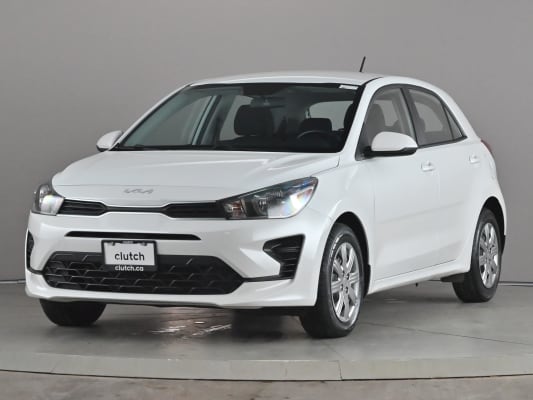
They share parent ownership (Hyundai Motor Group) and many components, including engine architecture. Kia scores 8.56 on our index, essentially tied with Hyundai (8.55). The trajectories are similar; the model lineups and styling differ.
Should I buy a CPO Hyundai or a Clutch Certified Hyundai?
Both are reasonable. CPO offers a longer manufacturer warranty for newer Hyundais (under 5 years and 100,000 km). Clutch Certified is built into the price, has no age cap, and includes a 10-day return that CPO doesn't. For older Hyundais or for engine vetting on Theta II era models, Clutch Certified is often the more useful protection.
.avif)