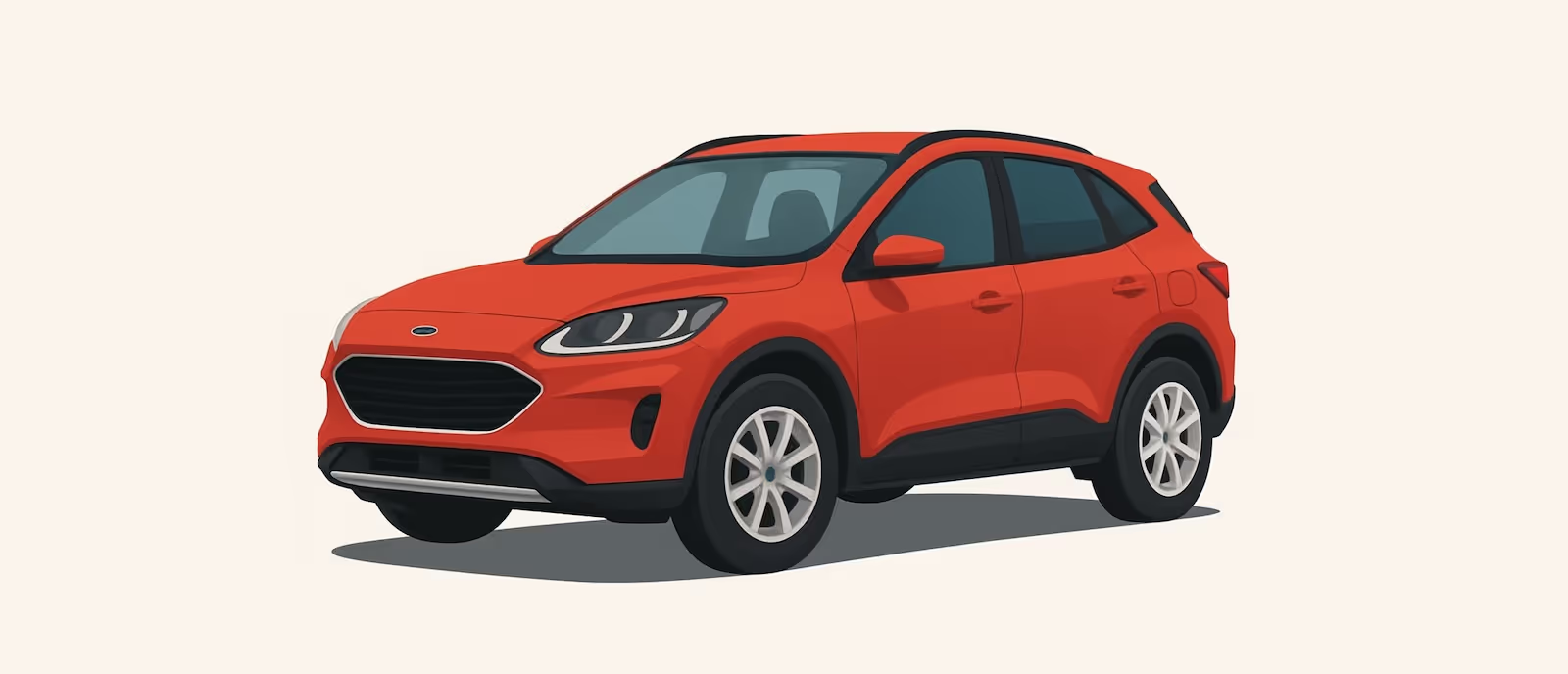
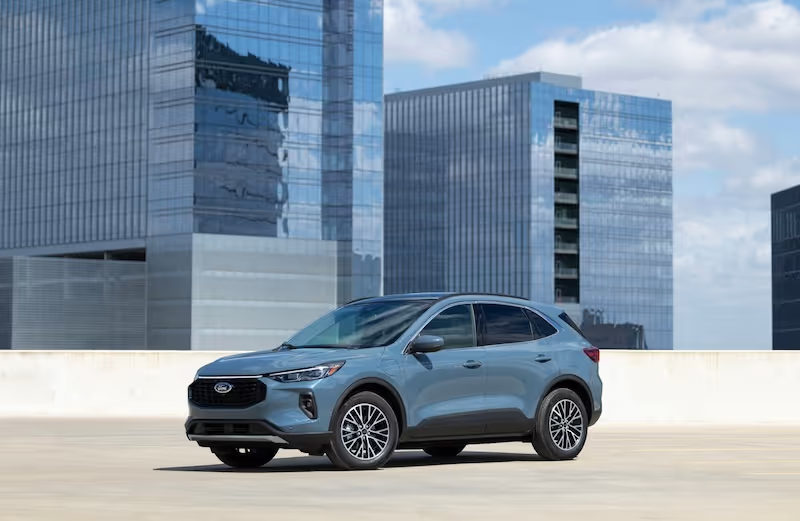
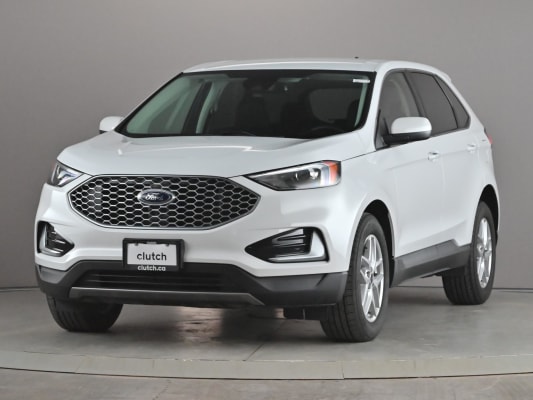
The Ford Escape has long been a favourite in the Canadian compact SUV market. Recognized for its smooth ride, roomy interior, and optional all-wheel drive capability, it delivers year-round versatility across the country. Whether navigating snowy roads in British Columbia or running errands around Toronto, the Escape has proven to be a capable and versatile option.
However, not all model years are equally reliable. Throughout its multiple generations, the Escape has encountered persistent problems—ranging from transmission breakdowns to troublesome EcoBoost engines—that make specific years more problematic for used-car buyers. This guide covers the Ford Escape years to avoid, outlines model-specific problems, and provides a clear buying checklist to help Canadian shoppers make informed decisions.
Remember: many Escapes continue to be outstanding vehicles when properly cared for. At Clutch, every used Escape undergoes a thorough 210-point inspection, professional reconditioning, and is backed by a 10-day money-back guarantee.
2008-2013 Ford Escape: Transmission & Power Steering Troubles
The second-generation Ford Escape (2008-2012, plus 2013 as a fleet carryover model) represented a significant advancement in design and technology—but it also brought serious mechanical complications.
Common Issues:
Unless the vehicle comes with comprehensive service documentation and evidence of recent repairs addressing these concerns, it's advisable to steer clear of these years—particularly in private-party sales.
2014 Ford Escape: A Step Forward with New Problems
The 2014 Ford Escape marked the second year of the third generation, constructed on a global platform featuring more contemporary amenities. It was also one of the earliest adopters of Ford's EcoBoost turbocharged engines, which brought both performance and new reliability challenges.
Common Issues:
While not entirely unrecommendable, the 2014 Escape should be approached with careful consideration. Prioritize later builds or well-maintained examples with updated software and recall repairs completed.
2020 Ford Escape: New Platform, New Growing Pains
The 2020 model unveiled a completely redesigned Ford Escape, constructed on Ford's C2 platform (shared with the Bronco Sport and Lincoln Corsair). Featuring a contemporary silhouette and enhanced interior, it appeared promising—but initial units suffered from teething problems.
Common Issues:
Manufacturing quality improved beginning with 2021 models. When evaluating a 2020 Escape, seek out later production dates and confirm all applicable recalls and software updates have been addressed. A 210-point inspection like Clutch's can help catch hidden issues.
2005-2007 Ford Escape (and Hybrid): Rust & Brake Problems
Although these first-generation Escapes featured more straightforward mechanical systems, they weren't immune to issues—especially in Canada's challenging winter conditions.
Common Issues:
These Escapes are now approaching two decades old, making rust and postponed maintenance significant concerns. While cheap on the used market, they're usually not worth the long-term cost unless they've been meticulously maintained.
Generation-Wide Escape Issues to Watch For
Certain problems span multiple Escape generations, so even more recent models require thorough inspection.
Key Issues:
Canadian Buying Tips: How to Shop Smart for a Used Escape
Used Escapes can represent an excellent purchase when selected carefully. Here's how Canadian buyers can sidestep problematic years:
1. Demand a Full Vehicle History Report
Use Carfax Canada to check for accident history, service records, and open recalls.
2. Inspect the Powertrain Thoroughly
3. Use a Magnet for Rust Detection
This technique proves particularly valuable around rear subframes and rocker panels. Minor surface rust is acceptable—extensive rust or paint bubbling indicates serious problems.
4. Buy from a Dealer Offering Inspection Guarantees
Private sales can conceal expensive problems. Clutch reconditions all Escapes with a 210-point inspection and backs every purchase with a 10-day money-back guarantee—an ideal setup if you're buying online or at a distance. When you browse cars on our platform, you can shop with confidence knowing each vehicle has been thoroughly vetted.

Recent Model Year Concerns
While focusing on Ford Escape years to avoid from older generations, it's important to note that even recent models aren't immune to problems. Current data shows significant ongoing issues with recent model years, particularly hybrid models, with major recalls affecting hundreds of thousands of vehicles and consistently high repair costs for transmission problems.
These developments underscore the importance of thorough inspection regardless of model year, and highlight why warranty coverage remains essential for Escape ownership. Whether you're considering a newer model or one of the traditionally reliable years, comprehensive protection can save thousands in unexpected repairs.
Understanding Escape Reliability by Generation
When evaluating Ford Escape years to avoid, it's helpful to understand how reliability has evolved across generations:
First Generation (2001-2007):
These early models established the Escape's reputation but suffered from rust vulnerability and basic electrical systems that became problematic over time. Canadian winters were particularly harsh on subframes and brake components.
Second Generation (2008-2012):
Despite improved styling and features, this generation introduced the most problematic transmission and power steering systems in Escape history. The 6F35 automatic became notorious for premature failure.
Third Generation (2013-2019):
The introduction of EcoBoost engines brought new performance but also new complexity. Early EcoBoost models faced cooling system challenges, while later years showed improvement.
Fourth Generation (2020-Present):
The current generation offers modern technology and improved fuel economy, but early production units experienced typical new-platform growing pains.
Smart Shopping Strategies for Canadian Buyers
Beyond identifying Ford Escape years to avoid, successful used car shopping requires a strategic approach:
Research Maintenance History
Look for vehicles with documented regular oil changes, transmission services, and recall completion. A well-maintained 2013 Escape with transmission work completed may prove more reliable than a neglected 2017 model.
Consider Total Cost of Ownership
Factor in potential repair costs when comparing prices. A $15,000 Escape from a problematic year could cost more long-term than a $18,000 example from a reliable year.
Leverage Professional Inspections
Independent inspections can reveal hidden issues before purchase. Clutch's 210-point inspection process examines everything from engine compression to interior electronics, providing transparency that private sellers often can't match.
When to Consider Professional Help
Navigating Ford Escape years to avoid becomes simpler when working with knowledgeable professionals. Reputable sellers like Clutch screen vehicles before listing, eliminating many problematic examples from consideration.
Our team understands which Escape years present the highest risk and can guide you toward models that offer the best balance of features, reliability, and value. Plus, with our comprehensive inspection process and money-back guarantee, you have protection that private sales simply can't provide.
The Escape Remains a Smart Buy
Used Ford Escapes continue to provide an attractive combination of practicality, comfort, and available AWD for Canadian drivers. While some model years—especially 2008-2013—come with serious mechanical risks, many others remain solid choices when properly maintained.
The optimal choice? Focus on Escapes from 2015 to 2019, or post-2021 models that deliver enhanced reliability and technology. Always prioritize vehicles with clear service records, completed recalls, and professional inspections. Whether you're shopping in Toronto or Halifax, a well-informed strategy—combined with protection like Clutch's inspection and return guarantee—can make the Escape an excellent choice.
{{widget-1}}
FAQs About Ford Escape Years to Avoid
Are EcoBoost engines in the Ford Escape reliable?

Some EcoBoost engines, especially the 1.6L (2013-2016), have known issues with coolant leaks and overheating. The 2.0L variant is more reliable but still worth inspecting for turbo and sensor issues.
Is the 2020 Ford Escape a good used SUV?
The 2020 redesign introduced early production bugs, including oil leaks and digital instrument cluster issues. Later builds are better, but always verify recall and service completion.
Should I avoid Ford Escape hybrids?
Older hybrid Escapes (2005-2007) had battery and brake system issues. Newer hybrids are more reliable, but battery health and cooling system function should still be confirmed.
How can I avoid buying a bad used Escape in Canada?
Start with a Carfax Canada report, check for rust and transmission function, and buy from a source that offers a detailed inspection and return policy—like Clutch’s 210-point inspection and 10-day guarantee.
What Ford Escape years have transmission problems?
Escapes from 2008 to 2013 are notorious for automatic transmission failures, particularly with the 6F35 gearbox. These repairs are expensive and often occur just outside warranty.
.avif)