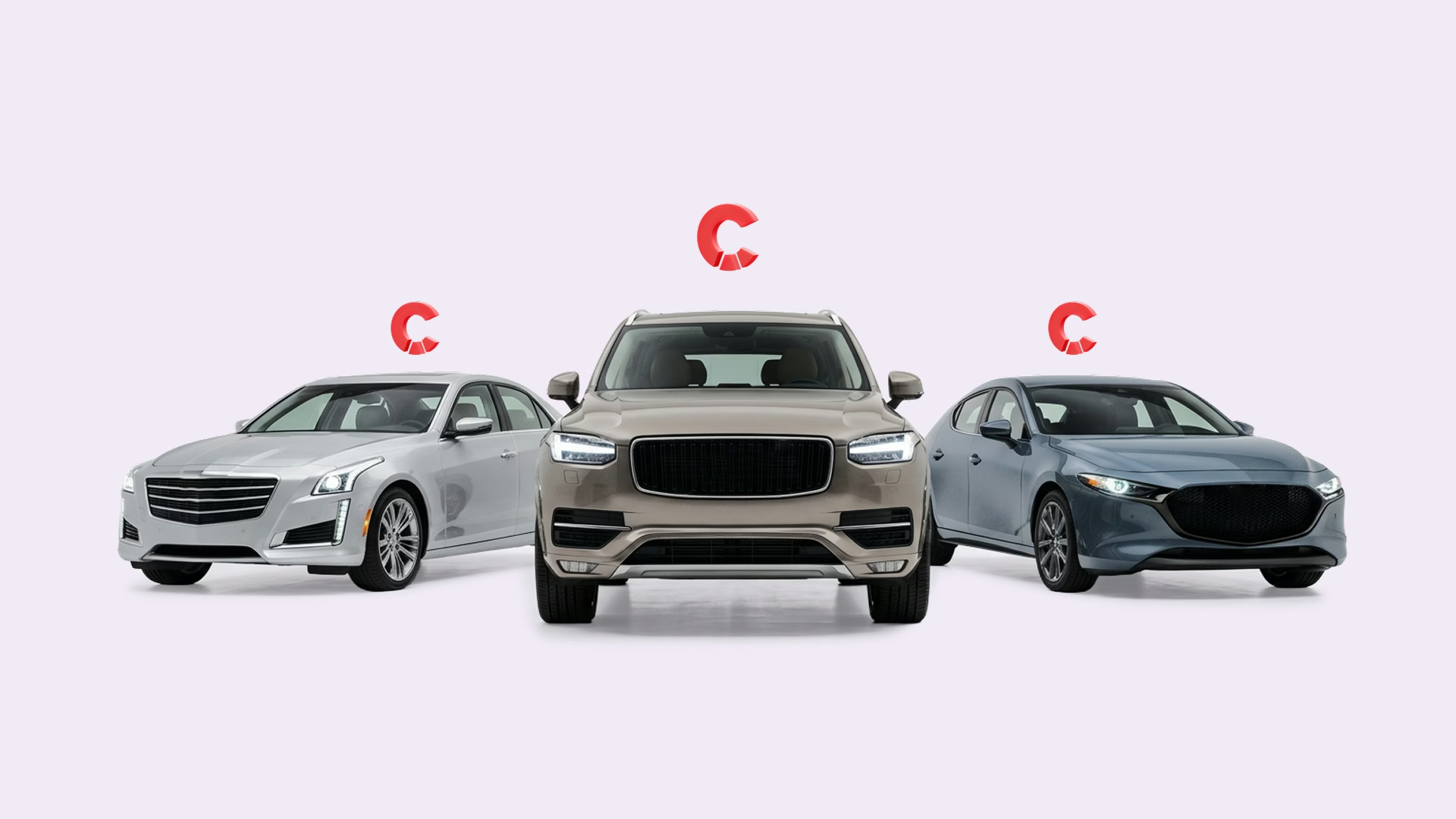
Lexus is the most reliable used car brand in Canada, based on Clutch's first-party data covering more than 100,000 assessed vehicles. Lexus scores 9.70 out of 10 on the 2026 Clutch Certified Reliability Index, leading a top tier dominated by Japanese brands. Subaru, Acura, Toyota, Honda, and Mazda all score above 9.0. MINI rounds out the top seven at 9.43, the only European brand to break in.
Key Takeaways
- Lexus is the most reliable used-car brand in Canada at 9.70/10.
- Six of the seven top-tier brands are Japanese; MINI is the only European brand in the top tier.
- The brands at the top fail in predictable wear patterns rather than chronic engineering issues. The brands at the bottom concentrate failures in cooling, electrical, engine internals, or physical build quality.
- Every brand on the list below is in stock at clutch.ca with a 210-point inspection, and a 10-day return policy.
Vehicle condition insights in this guide come from inspection records logged by Clutch’s reconditioning team.
The 10 most reliable used-car brands in Canada

1. Lexus — 9.70/10
Lexus is the only luxury brand to crack the top reliability tier. Vehicles arrive at Clutch with little to flag: chronic engine, transmission, electrical, and cooling failures are rare, and Lexus is the only luxury brand whose 90-day warranty repair rate matches the Japanese-mainstream tier. Built on Toyota's mechanical foundations with tighter build standards, it's the brand most likely to be confused for new on a long-mileage example.
Best for: buyers who want luxury without the German repair-cost profile.
Browse used Lexus models on Clutch →
2. Subaru — 9.68/10
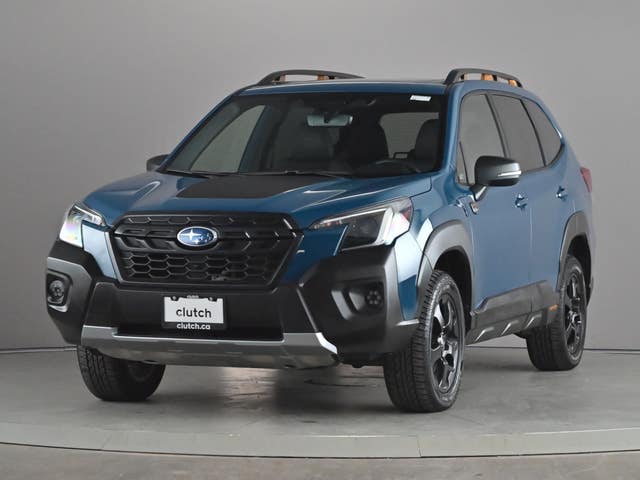
Subarus tend to get driven harder than typical sedans or crossovers (winter, gravel, off-pavement), and the failures show up as brake wear and the occasional CV joint or differential service. The historic 2.5L head-gasket issue is resolved on the current generation. Chronic engine, transmission, electrical, and rust failures are rare. The Outback, Forester, and Crosstrek all rank as top-tier reliable models.
Best for: AWD-driven buyers in winter-heavy regions.
Browse used Subaru models on Clutch →

3. Acura — 9.59/10
Acura inherits Honda's mechanical reliability, so what doesn't fail on a Honda generally doesn't fail on an Acura: chronic engine, transmission, electrical, and cooling issues are rare. As Honda's premium arm, Acura adds more refined interiors and standard equipment without the luxury-bracket repair costs. Compared to BMW or Audi at similar price points, the difference shows up as fewer post-purchase repair surprises.
Best for: buyers comparing Acura to BMW or Audi who want fewer repair surprises.
Browse used Acura models on Clutch →
4. Toyota — 9.57/10
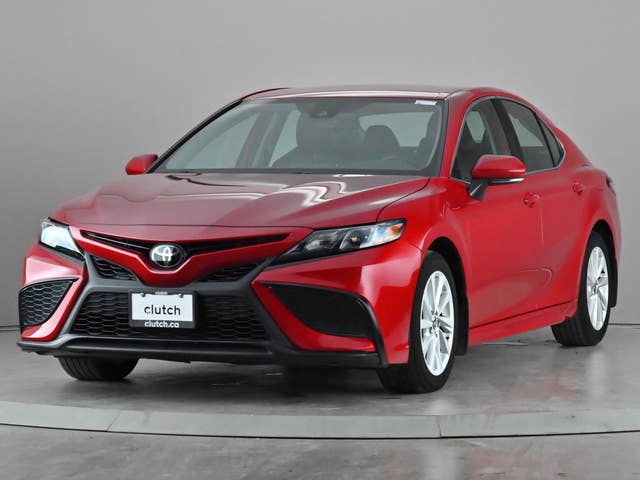
Toyotas don't fail in patterns specific to the brand. They fail in predictable wear (brakes, suspension bushings, A/C past 8-10 years). Chronic engine failures, transmission breakdowns, expensive electrical or cooling-system failures, and premature rust are rare. Toyota places more models in the top 10 most reliable used cars in Canada than any other brand: RAV4 Hybrid, C-HR, Corolla Hybrid, and RAV4 all rank top-tier.
Best for: buyers who want the lowest predictable cost of ownership.
Browse used Toyota models on Clutch →
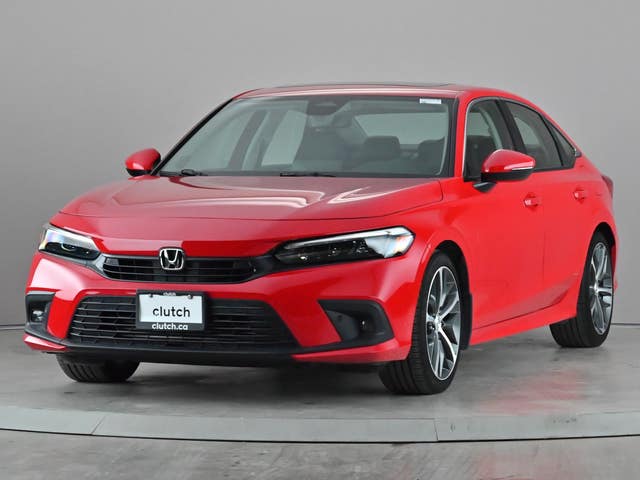
5. Honda — 9.55/10
Hondas fail in predictable wear, not engineering issues. Chronic engine, transmission, electrical, or cooling failures are rare. The most common reason a Honda flags at intake is structural damage from prior collisions, simply because Hondas are popular enough that more arrive with collision histories than rarer brands. Honda's reliability also stays unusually flat across mileage: a CR-V at 120,000 km passes inspection at close to the rate of one at 60,000 km.
Best for: buyers shopping high-mileage used cars.
Browse used Honda models on Clutch →
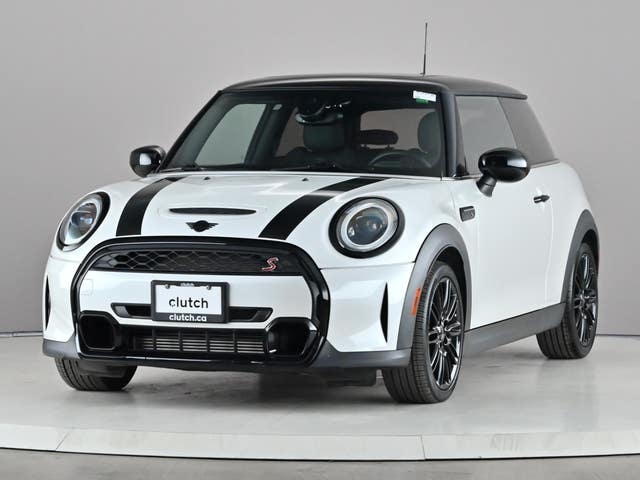
6. MINI — 9.43/10
MINIs are small, mechanically straightforward, and consistent. Despite being part of BMW Group, MINIs don't show the cooling, electrical, and engine-internal failures that pull BMW's score down. The compact platform keeps the build simple, and the Cooper line uses well-proven mechanicals. MINI is the only European brand to break into the top reliability tier.
Best for: city buyers who want personality without the European luxury repair bill.
Browse used MINI models on Clutch →

7. Mazda — 9.35/10
Mazdas don't fail in patterns specific to the brand. Failures are predictable wear (brakes, suspension bushings, A/C past 8 years). Chronic engine or transmission failures, expensive cooling-system or electrical issues, and the rust that drives up reconditioning costs on truck-heavy brands are all rare. Mazda's smaller-displacement Skyactiv engines and conventional automatic transmissions are well-engineered and well-proven.
Best for: buyers who want a slightly more upscale feel than Toyota or Honda at similar prices.
Browse used Mazda models on Clutch →

8. Nissan — 8.71/10
The Nissan reliability story splits cleanly by era. The 2013-2018 CVT (Pathfinder, Murano, Maxima, earlier Rogues) had documented failures that led to class-action settlements. The 2019+ lineup uses a substantially redesigned CVT and doesn't show the same failure pattern in our 2026 data. Outside that transmission era, Nissan failures are predictable wear (brakes, suspension, A/C, electronics). Nissan is the strongest of the above-average brands in our index.
Best for: budget-conscious buyers who want a solid mainstream choice.
Browse used Nissan models on Clutch →

9. Kia — 8.56/10
The Kia reliability story splits cleanly by era. The 2011-2019 Theta II 2.0L and 2.4L engines (shared with Hyundai, used in the Optima, Sorento, and several others) had documented rod-bearing failures that triggered a class-action settlement. The 2020+ lineup uses different engine architecture (Smartstream 2.5L, 1.6L turbo, Atkinson hybrids) and doesn't share that failure mode. Outside the Theta II era, failures are predictable wear.
Best for: buyers willing to look past brand prestige for value.
Browse used Kia models on Clutch →

10. Hyundai — 8.55/10
The Hyundai story is the same as Kia's by era: the 2011-2019 Theta II 2.0L and 2.4L engines had documented rod-bearing failures that triggered a major recall. The 2020+ lineup uses different architecture (Smartstream 2.5L, 1.6L turbo, Atkinson hybrids) and doesn't share that failure mode. Hyundai and Kia track closely on the index because they share parent ownership and many components.
Best for: buyers in the same value-conscious bracket as Kia shoppers.
For the full 25-brand ranking, including the brands at the bottom and the deep-dive analyses behind the scores, see the 2026 Clutch Certified Reliability Report.
Browse used Hyundai models on Clutch →
Why Clutch Certified turns these brands into a safer buy
The list above ranks each brand on its overall reliability profile, what you'd expect from a typical example of that brand on the Canadian market. But buying any used car still means buying one specific car, which can vary substantially from the brand average. Six of the seven top-tier brands here are Japanese, and even within that tier the spread between best and worst Lexus or Honda on the road is larger than the gap between Lexus and Honda on average.
Clutch Certified is what bridges that gap. Every vehicle on clutch.ca, regardless of brand, has cleared the same 210-point inspection across nine categories and five stations, been reconditioned to the standard, and is backed by a 10-day return policy. That standardized check is layered on top of the brand-level reliability shown above.
For top-tier brands like Lexus, Subaru, or Honda, the Clutch Certified process mostly confirms what's already strong. For mainstream picks like Hyundai or Kia, the inspection and reconditioning work is what brings each specific vehicle up to a consistent quality bar.
The brand decision and the buying decision are different choices. The list above helps with the first one. Clutch Certified handles the second.
Browse Clutch Certified inventory
Every brand listed above is in stock at clutch.ca. Every car has cleared the 210-point inspection. Every purchase includes a 10-day return policy.
FAQs About the Most Reliable Used Car Brands in Canada
What is the most reliable used car brand in Canada?

Lexus, based on Clutch's 2026 Reliability Index. Lexus scores 9.70/10, leading 25 brands across inspection outcomes, reconditioning costs, warranty repairs, and customer returns. Subaru (9.68) and Acura (9.59) round out the top three.
What's the most reliable Japanese car brand?
Lexus is the highest-scoring Japanese brand at 9.70. The next four (Subaru 9.68, Acura 9.59, Toyota 9.57, Honda 9.55) are also Japanese, all in the top-7 tier. Six of the seven top-tier brands are Japanese.
Are German luxury cars reliable?
Most aren't, based on our data. BMW, Mercedes-Benz, and Audi all score below the 25-brand average. They need warranty-covered repairs at higher rates than mainstream brands and have higher pre-sale reconditioning costs. Lexus is the only luxury brand in the top tier.
Are Hyundai and Kia reliable now?
Yes. Both score above 8.5 on the index, well above the 25-brand average. Their old reputation for unreliable engines traces specifically to the 2011-2019 Theta II engines. Today's lineup uses different architecture and performs in line with mainstream expectations.
Which used car has the lowest cost of ownership?
Toyota and Honda lead on predictable long-term cost of ownership. Both have strong inspection performance, low warranty repair rates, and durable mileage curves. The Toyota Corolla and Honda Civic are commonly cited as the most cost-effective choices on the Canadian used market.
.avif)